
 Facebook
 X
X
 Pinterest
 Copy Link
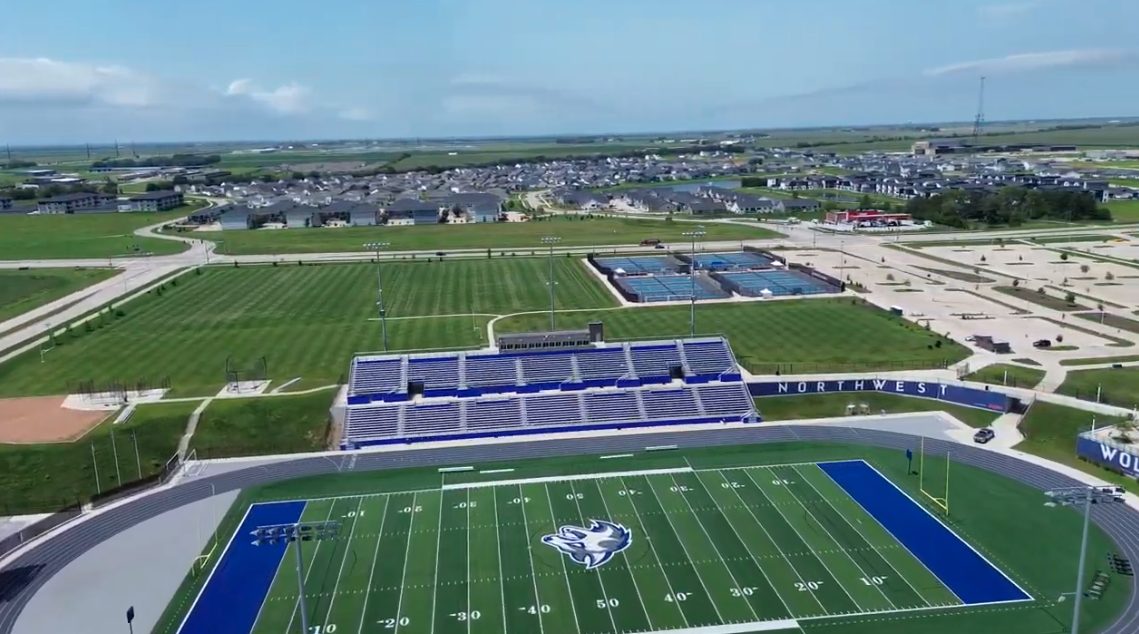
The Pros and Cons of Living in Waukee, Iowa
Thinking about moving to Waukee, Iowa? You’re not alone. This growing Des Moines suburb has become an appealing option for people looking for newer homes, suburban living, and convenient access to the metro.
But is Waukee the right fit for you?
As a Des Moines-area real estate agent, I think it’s important to look beyond the new developments and growing list of amenities. Where you live affects your daily routine, commute, budget, and overall quality of life.
Let’s break down the biggest pros and cons of living in Waukee so you can decide whether it belongs on your list.
Want to see Waukee for yourself? Watch my Waukee, Iowa YouTube video for a closer look at the community.
The Pros of Living in Waukee, Iowa
1. Plenty of Newer Homes
One of the biggest draws of Waukee is its selection of newer homes and residential developments.
Depending on your budget, you may find modern floor plans, attached garages, open living spaces, and updated kitchens. Buyers who prefer a home that needs less immediate updating may find plenty to explore here.
New construction is another option in parts of the city. However, the right choice depends on the specific home, neighborhood, and price.
My advice: Don’t assume newer automatically means better. Compare construction quality, lot size, property taxes, and the total cost of ownership before making a decision.
2. Parks, Trails, and Outdoor Recreation
If you enjoy spending time outside, Waukee has a lot to offer.
The city maintains parks and recreational facilities, along with trails that connect neighborhoods and outdoor spaces. The Raccoon River Valley Trail is another major draw for cyclists, walkers, and runners.
These amenities make it easier to get outside without planning an entire day around it.
Keep in mind that access varies by neighborhood. Check the distance from a home to the parks and trails you’ll actually use.
3. A Growing Selection of Shopping and Dining
Waukee’s growth has brought more businesses, restaurants, and shopping options to the area.
The Kettlestone District is one example. It continues to develop as a destination for dining, shopping, recreation, and other amenities.
For residents, that means more opportunities to run errands or grab a meal without traveling to another part of the metro.
Of course, the experience depends on where you live. Visit the areas near homes you’re considering to see how convenient they would be for your everyday routine.
4. Convenient Access to the Des Moines Metro
Waukee is located west of Des Moines, making it worth considering if you want suburban living while staying connected to the broader metro.
You can explore businesses in nearby communities, visit downtown Des Moines, or take advantage of amenities throughout the western suburbs.
However, commute times depend on your destination, route, and time of day. A location that works well for someone commuting to West Des Moines may be less convenient for someone traveling across the metro.
Before buying, test your commute during the hours you’ll actually be driving.
5. A Community That Continues to Grow
Waukee has experienced substantial residential and commercial development. That growth has brought new housing, businesses, and recreational opportunities to the community.
For some buyers, living in a developing suburb is appealing because they want access to newer amenities and a changing local landscape.
There is a trade-off, though. Development can bring construction, busier roads, and changes to areas that once felt quieter.
Also, don’t confuse a growing city with a guaranteed real estate investment. Buy a home because it fits your needs and budget, not because you expect growth alone to increase its value.
The Cons of Living in Waukee, Iowa
1. Traffic and Construction Can Be Frustrating
Growth has benefits, but it can also create growing pains.
New residential developments and commercial areas can bring additional traffic, road construction, and busier intersections. Depending on where you live, these changes may affect your daily commute.
If you’re considering a home in a developing area, look beyond the property itself. Check nearby roads and ask about planned development.
I’d also recommend visiting the neighborhood at different times of day. A quiet weekend afternoon won’t necessarily tell you what weekday traffic is like.
2. You May Need to Drive More Than You Expect
Waukee offers a growing number of local amenities, but it still has a suburban layout. Driving will likely be part of your daily routine.
Your workplace, grocery store, gym, and favorite restaurants may not all be close together. Some neighborhoods also offer more convenient access to shopping and recreation than others.
If you’re moving from a walkable city neighborhood, consider whether that trade-off works for you.
Don’t just evaluate the house. Evaluate the lifestyle that comes with its location.
3. New Developments May Lack Mature Landscaping
Newer neighborhoods can offer attractive homes and modern layouts. However, some developments lack the mature trees, established landscaping, and settled-in feel you’ll find in older neighborhoods.
You may also encounter ongoing construction or additional homes being built nearby.
That doesn’t make a newer neighborhood a bad choice. It simply means you should decide whether you prefer a developing community or an established one.
Take a drive through both before making your decision.
4. Waukee May Not Have the Neighborhood Character You Want
If you love historic homes, mature trees, unique architecture, or an established neighborhood feel, some parts of Waukee may not be your ideal fit.
Much of the newer development has a distinctly suburban feel. For some buyers, that’s exactly what they’re looking for. Others may prefer older neighborhoods in Des Moines or established parts of nearby communities.
Neither option is inherently better.
Think about the kind of neighborhood you want to come home to every day. That preference should carry as much weight as the home’s finishes or square footage.
5. Your Budget May Go Further Somewhere Else
Waukee has a range of housing options, but the right fit depends on your budget and priorities.
When comparing homes across the metro, don’t look at the list price alone. Consider the home’s condition, lot size, property taxes, maintenance needs, and commuting costs.
An older home in another community might offer more space or a larger lot for your money. On the other hand, a newer home in Waukee might save you from taking on immediate renovation projects.
Compare the complete picture before deciding which property offers the best value.
Is Waukee a Good Place to Live?
For many people, Waukee is worth serious consideration. It offers newer housing options, parks and trails, growing commercial areas, and access to the greater Des Moines metro.
Still, the best place to live depends on what matters most to you.
Waukee may be a good fit if you:
- Prefer suburban living and newer homes.
- Want access to parks, trails, and recreational amenities.
- Like having growing shopping and dining options nearby.
- Want to stay connected to the western Des Moines metro.
- Are comfortable with the changes that come with a developing community.
You may want to compare other areas if you:
- Prefer older homes and mature, established neighborhoods.
- Want to minimize driving in your daily routine.
- Are concerned about nearby construction or future development.
- Can find better overall value in another part of the metro.
The key is to match the location to your lifestyle rather than choosing a suburb simply because it’s popular.
Waukee vs. Other Des Moines Suburbs
Waukee isn’t the only community worth considering when moving to the Des Moines area.
West Des Moines, Urbandale, Johnston, and Ankeny each offer different housing options, amenities, and neighborhood environments.
The best comparison depends on your priorities. Your commute, budget, preferred home style, and desired neighborhood feel should all factor into the decision.
For example, someone who wants a newer home in a developing suburban area may approach the search differently from someone who prefers an established neighborhood with mature trees.
Instead of asking which suburb is best, ask which one makes the most sense for your situation.
Final Thoughts: Should You Move to Waukee?
Waukee has a lot going for it, but no suburb is the perfect fit for everyone.
The best way to decide is to spend time exploring the area. Drive through different neighborhoods, visit local businesses, check out the parks, and test your commute.
If you’re buying a home, compare properties across multiple communities before making a decision. You may find that Waukee is exactly what you’re looking for; or discover another part of the Des Moines metro that suits you even better.
If you’re planning a move to the area and want help comparing neighborhoods or finding the right home, book a call with me here.
I’ll help you look at the options, understand the trade-offs, and make a decision that works for you.


